

The State of Agribusiness in Kenya
Agribusiness has been identified as one of the most promising business sectors in Kenya due to the country’s favorable climate and fertile land, as well as the growing demand for healthy food among consumers. With a population of over 50 million people, Kenya offers a large and growing market for fresh produce, including fruits, vegetables, and other crops. In this article, we will be discussing the state of agribusiness in Kenya.
It offers significant opportunities for entrepreneurs to tap into the growing demand for healthy, locally-sourced produce. With the right approach, and a focus on quality, sustainability, and innovation, agribusiness can be a highly rewarding and profitable venture. If you have been thinking about an agribusiness idea this article will help you have an idea of the state of agribusiness in Kenya.
The State of Agribusiness in Kenya
Kenya has a vibrant and diverse agribusiness sector, with a wealth of opportunities for entrepreneurs and investors looking to tap into the growing demand for healthy, locally-sourced produce. The country’s favorable climate and fertile land, combined with a large and growing population, make it an attractive destination for agribusiness investment.
The importance of healthy eating has become increasingly evident in recent years, as people have become more health-conscious and aware of the link between diet and overall well-being. Fruits, in particular, are an important part of a healthy diet, providing essential nutrients such as vitamins, fiber, and antioxidants that help to protect against disease and promote good health.
With the right skills, knowledge, and resources, agribusiness can be a profitable and rewarding venture in Kenya. However, there are several factors to consider when starting an agribusiness, such as soil quality, water availability, and market demand.
The government has made significant investments in the agribusiness sector in recent years, with initiatives such as the Big Four Agenda, aimed at promoting food security, manufacturing, and universal healthcare. Other initiatives include the establishment of an agricultural credit guarantee scheme to support small-scale farmers, and the development of agricultural value chains to link farmers with markets.
The state of agribusiness in Kenya- key areas of production
 Fruits and vegetables:
Fruits and vegetables are among the most popular crops in Kenya, with a high demand from both local and international markets. There is significant potential for entrepreneurs to tap into this growing market. Mangoes, avocados, and passion fruits are some of the most profitable fruits for export, while vegetables such as kale, spinach, and tomatoes are popular in local markets. The country also produces a range of cash crops, including coffee, tea, and sugarcane.
Tea and coffee:
Kenya is renowned for producing high-quality tea and coffee, which are among the country’s most important cash crops and key contributors to the economy. The production of tea and coffee has a long history in Kenya, with the first coffee plantations being established in the late 19th century and the tea industry taking root in the 1920s.
The tea and coffee industries are major contributors to the Kenyan economy, generating significant foreign exchange earnings and creating employment opportunities for millions of people. With continued investment and support, these sectors have the potential to drive further growth and development, support poverty reduction, and enhance Kenya’s position as a key player in the global tea and coffee markets.
Tea is the leading export crop in Kenya, with the country being the largest exporter of black tea in the world. The tea is grown in the highlands of the country, which provide ideal growing conditions for the crop. The tea sector in Kenya is dominated by small-scale farmers, who account for about 60% of the tea produced in the country. The tea is grown and processed in a highly organized and efficient manner, with cooperatives and factories playing a major role in the production and marketing of the tea.
Coffee is also an important cash crop in Kenya, with the country being renowned for producing some of the world’s finest Arabica coffee beans. The coffee is grown in various regions of the country, including the highlands of Mt. Kenya and the Aberdare Mountains. The coffee sector is dominated by small-scale farmers, who account for about 70% of the coffee produced in the country. The coffee is grown and processed in a highly specialized and rigorous manner, with farmers adhering to strict quality standards to ensure that only the best coffee beans are exported.
Both the tea and coffee sectors in Kenya face several challenges, including climate change, pests and diseases, and limited access to finance and technology. However, the government and private sector have been implementing various initiatives aimed at addressing these challenges and supporting the growth and development of the sectors. These initiatives include investment in research and development, provision of extension services and technical assistance, and promotion of sustainable and eco-friendly farming practices.
 Horticulture:
Kenya is renowned for its horticulture industry, particularly the export of flowers. Kenya’s horticulture industry is an important contributor to the country’s economy and a key player in the global flower market. Flowers contribute significantly to the country’s foreign exchange earnings. The country’s favorable climate and fertile soils have enabled it to become a leading producer of high-quality cut flowers, which are in high demand in both local and international markets.
Kenya’s horticulture industry has grown rapidly over the past few decades, with small-scale farmers and large commercial enterprises alike investing in the cultivation of a wide variety of flowers, including roses, carnations, and lilies. The horticulture sector contributes significantly to the country’s foreign exchange earnings, generating billions of dollars annually. The industry is concentrated around the Rift Valley, where the cool climate and high-altitude terrain provide ideal growing conditions for flowers.
The country’s horticulture industry has also been instrumental in creating employment opportunities for millions of Kenyans, particularly women, who constitute the majority of the workforce in the sector. The industry provides jobs not only in the cultivation of flowers but also in their processing, packaging, and transportation, as well as in the support industries such as finance, logistics, and marketing.
Kenya’s horticulture industry faces several challenges, including climate change, pest and disease outbreaks, and limited access to finance and technology. However, the government and private sector have been implementing various initiatives aimed at addressing these challenges and supporting the growth and development of the sector. These initiatives include investment in research and development, provision of extension services and technical assistance, and promotion of sustainable and eco-friendly farming practices.
 Livestock:
In addition to fruit production, there are many other opportunities within the agribusiness sector, such as animal husbandry, poultry farming, and fish farming. The livestock sector is an important part of the agribusiness industry in Kenya that is yet to be fully utilized. Dairy and beef cattle, goats, and sheep being among the most common livestock.
With continued investment and support, the industry has the potential to drive further growth and development, create jobs and contribute to poverty reduction in the country.
The state of agribusiness in Kenya- challenges
The agribusiness sector in Kenya is one of the most important contributors to the country’s economy, providing employment and income to millions of people across the country. Despite its potential, the agribusiness sector in Kenya faces several challenges, including limited access to finance, poor infrastructure, and low levels of technology adoption.
However, these challenges also present opportunities for innovative solutions and new business models that can help to drive growth and development in the sector.
Let’s discuss the challenges that the sector faces that limit its growth and development.
Limited access to finance:
One of the primary challenges facing the agribusiness sector in Kenya is limited access to finance. Many small-scale farmers lack the financial resources to invest in their farms, purchase modern farming equipment and technology, or expand their operations. This limits their ability to improve yields, increase productivity, and access new markets. Additionally, access to credit can be difficult for farmers due to the high interest rates charged by banks and other financial institutions.
Poor infrastructure:
Another major challenge facing the sector is poor infrastructure. Many rural areas lack the necessary infrastructure, such as roads, storage facilities, and irrigation systems, to support efficient and profitable farming operations. This limits the ability of farmers to transport their products to markets, store and preserve their harvests, and access necessary inputs such as water and fertilizer.
Low levels of technology adoption:
Low levels of technology adoption also pose a challenge to the agribusiness sector in Kenya. Many small-scale farmers lack the knowledge and resources to adopt modern farming technologies and practices that could improve productivity and profitability. This includes precision farming techniques, use of modern machinery, and adoption of digital tools and apps to support efficient farming practices.
These challenges require innovative solutions and coordinated efforts from both the public and private sectors. Initiatives such as investment in rural infrastructure, provision of affordable credit to farmers, and promotion of technology adoption can help to address these challenges and support the growth and development of the agribusiness sector in Kenya.
The state of agribusiness in Kenya- Solutions
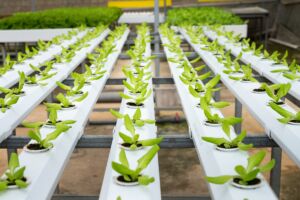 Each of the sectors discussed above offers unique challenges and opportunities, and requires careful planning and management to succeed. To thrive in the agribusiness sector, entrepreneurs must be willing to invest time and resources into building a strong and sustainable business.
This includes investing in quality inputs such as seeds, fertilizers, and equipment, as well as ensuring that crops are grown and harvested to the highest standards. It is also important to build relationships with buyers and suppliers, and to stay up-to-date with the latest trends and innovations in the industry.
Technology is also playing an increasingly important role in the agribusiness sector, with innovations such as precision farming, mobile apps, and online marketplaces enabling farmers to improve productivity and access new markets. However, there is still a long way to go in terms of technology adoption, particularly among small-scale farmers who often lack the resources and knowledge to take advantage of these innovations.
Conclusion
In conclusion, the state of agribusiness in Kenya is poised for growth and development. There is significant potential for entrepreneurs and investors looking to tap into the growing demand for healthy, locally-sourced produce. However, there are still challenges to be overcome, including limited access to finance, poor infrastructure, and low levels of technology adoption. With continued investment, innovation, and collaboration between the public and private sectors, the agribusiness sector in Kenya can continue to grow and flourish, contributing to the country’s economic development and food security.