
Importing And Retailing Shoes From Ethiopia Business Plan
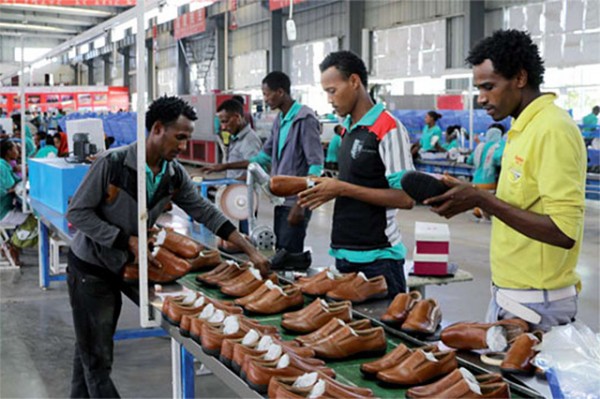
Ethiopia is well-known for several things, including having some of the world’s top long-distance runners, a rapidly rising economy, and a thriving textile sector. In terms of textiles, Ethiopia’s leather industry has attracted a number of international and local shoe makers, transforming the Made in Ethiopia brand into a global sensation. As a small business owner or investor, you may participate in this game changer by importing Ethiopian leather shoes and reselling them for a profit. Let us see how you can venture in the business in the following importing and retailing shoes from Ethiopia business plan.
Importing and retailing shoes from Ethiopia business plan
Because Ethiopia is a COMESA member, you may anticipate to pay reasonable customs fees when bringing your shipment into the nation. That is, of course, in addition to the fact that your shipment arrives in fewer days due to geographical proximity. The other fundamental advantage is that the cost of doing business is lower than importing from Turkey, Italy, or China. Here’s how you can get started in implementing this business plan.
You Should Know What You Want
Prior to investing, a good businessman will first identify existing market demands. Similarly, if you intend to begin importing leather shoes and accessories from Ethiopia, it is best to first determine what the local market is seeking for. Are they shopping for men’s formal shoes, casual shoes, women’s shoes, or children’s shoes?
Shop wisely and broadly.
 You have two choices here. The first option is to arrange a flight back to Addis Abeba for ordinary shopping and networking. Such a journey would cost approximately Ksh.85,000 (Ksh.70,000 forticket, Ksh.15,000 other expenses from Nairobi to Addis and back). On the other hand, if you are on a tight budget, you can opt to shop online. However, not all manufacturers and wholesalers can be found online. Here are a few instances of names with whom you can interact online.
- *Ramsay Shoe Factory
- *Anbessa Shoe Company
- *Duka Leather
Huajian Shoe Factory, George Shoes, YED Wuha, and Sole Rebels are some more manufacturers and suppliers that would necessitate a personal visit. When ordering online, always obtain a sample of the product first.
Making a Purchase and Receiving Your Order
After you’ve done your shopping and bargaining, you can have the wholesaler pack and ship your purchases via any of the courier services that connect Addis Abeba to your hometown. You can contact DHL, Excel Cargo, Freight in Time Ltd, Salihiya Cargo, or any other freight business for assistance from this page.
Paying Customs
When your items arrive at the airport or sea port, you will receive a call from the courier firm informing you of the taxes you must pay. Fortunately, because Ethiopia is a member of COMESA, you will be exempt from paying high duty. After clearing with the customs agency, you will be able to collect your goods and sell them to your target market.
How profitable is the business of importing and selling Ethiopian shoes?
If you have the numbers and price your shoes correctly, this may be a very profitable business idea. One advantage is that Ethiopian shoes have a high reputation for being handcrafted and made of pure animal leather. You can use this good name to charge a premium. Importing a pair of shoes into the country will cost you around Ksh.1,500, which you can then sell for Ksh.3,500 and higher. After deducting all other expenses, the net profit per shoe is approximately Ksh.1,500.
So the key here is in sales. The difficulty is that because this is an open market, anyone can establish this firm, thus competition may get fierce over time. However, competition is necessary in any industry…the objective is to create a solid clientele that will provide you with long-term business.
Remember that, in addition to shoes, you can import wallets, belts, and other fast-moving items with a leather finish.