

Potato Farming Agribusiness In Kenya
Potato farming is a business that has the potential to make or break you. If you are willing to learn how to navigate the ups and downs of the market, you can see good returns. However, if you’re not careful, you can easily lose your entire investment in just a few months. Find out below how to operate a successful potato farming agribusiness in Kenya.
Potato farming agribusiness in Kenya
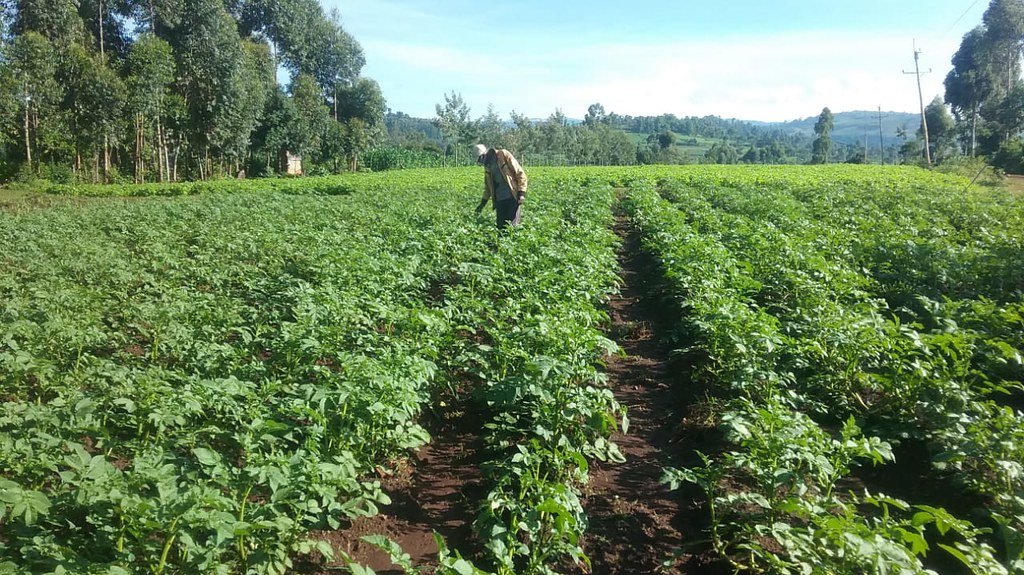 Potatoes thrive in highland areas and can be grown successfully in many parts of the country, such as Molo, Kinangop, Taita Hills, Yatta, Timboroa, and parts of Laikipia.
To begin potato farming, the first step is to find suitable land in a high production area. If you live in Nairobi, you can consider locations like Kinangop or North Nyandarua, which are about an hour’s drive from the city. You don’t necessarily have to own land; leasing is an option. The cost of leasing a good chunk of land in Nyandarua, about 1 kilometer from the tarmac, is currently Ksh.15,000 per year.
When selecting land for potato farming, consider the following tips:
- Look for land within 1-2 kilometers of a tarmac road
- Choose land with reddish, toney soil
- Avoid land with a history of poor potato production
- Avoid land adjacent to a river to minimize the risk of frostbite
After finding suitable land, the next step is to prepare it for planting. Hire laborers to till the land and prepare furrows. Obtain manure, which can be purchased in large quantities (such as a lorry load from Masai land) for Ksh.20,000.
It’s important to buy certified disease-free seeds, such as those from The Kisima Foundation. Avoid the mistake of buying seeds from other farmers. Certified potato seeds cost around Ksh.3,000 per bag.
Consider the following tips when buying seeds:
- Only purchase certified seeds
- Consult with local farmers about which breeds do well in the area
- Examples of potato breeds include Tigoni, Kenya Mpya, Asante, and Shangi
Plant the seeds and wait for 90 days until the potatoes mature. Ensure that the crop is well-watered through rain or irrigation and apply DAP fertilizer and manure. Weed the farm regularly and use chemicals and yield boosters, which can be purchased from agrovet shops.
Consider the following tips when purchasing chemicals:
- Use nematicides if you notice small wounds on potato roots
- Use fungicides in case of signs of blight.
When it comes to selling the potatoes, it’s important to deal with brokers carefully. Brokers buy farm produce from door-to-door, but the prices they offer can be punitive. The best strategy is to plant the crop in December and harvest it in February or March when there is short supply and favorable prices. For example, a bag of potatoes currently sells for Ksh.4,000 and above, but the same bag may fetch as low as Ksh.1,000 in July.
Some government and non-government institutions are constructing special granaries where you can store your potatoes until the market stabilizes, which is a useful strategy. You can deposit your produce there and wait until the effects of a bumper harvest calm down.
If you don’t want to wait or gamble with the seasons, consider joining the competition instead of trying to beat it. You can use your sales and marketing skills to look for your own market for potatoes by approaching fast-food chains, restaurants, schools, institutions, etc., and providing them with a good quote.
Then, you can hire a mguu kumi or mguu sita lorry and return to the village to collect your own produce and partner with other farmers to fill up the truck. This will enable you to dictate the price and earn better returns.
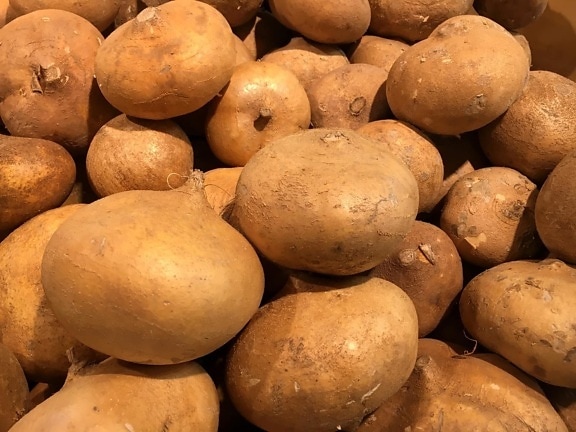 To farm an acre of potatoes, you’ll need approximately Ksh. 80,000 from planting to harvesting. An acre of land can produce 80 bags of potatoes in 3 months, and the current market price for a sack of Shangi potatoes is Ksh. 4,000.
So, if you do the math: Ksh. 4,000 x 80 bags = Ksh. 320,000 (Revenue) Ksh. 320,000 (Revenue) – Ksh. 80,000 (Expenses) = Ksh. 240,000 (Net Profit) in just 90 days.
Please note that the National Potato Council of Kenya recommends a 110-kilogram potato bag size.
Conclusion
In conclusion, potato farming is a promising business venture, but it is not a get-rich-quick scheme. First-time investors may lose their money due to common errors. However, if you have read this article to the end, you can now make an investment with confidence and expect returns with a little discipline, hard work, and strategy.
Biashara poa is a business consultancy platform that offers business ideas and tips to entrepreneurs and potential entrepreneurs. We also feature different equipment essential for business operations and where to buy them. We analyse business trends and research on emerging opportunities in different sectors of the economy to and offer advice on sectors or businesses to invest in.